Sustainable and eco-friendly bird cages for pet parrots in 2026
Discover the best eco-friendly bird cages for pet parrots to ensure a safe and non-toxic environment. Learn about sustainable housing and play area tips today!


Mục lục
Providing a safe and stimulating environment is the most critical responsibility for any avian enthusiast. As we move into 2026, the focus on eco-friendly bird cages for pet parrots has intensified, highlighting the need for materials that are both durable and free from harmful toxins. A bird's cage is more than just a container; it is their sanctuary, and choosing the right structure involves understanding the intersection of sustainability and avian biology.
- Material Safety: Focus on stainless steel, ceramic powder coating, and high-grade acrylic.
- Space Optimization: Cages should be the largest your budget and home allow.
- Eco-Conscious Choice: Prioritize sustainable parrot enclosures and natural wood components.
The Importance of Choosing Sustainable Parrot Enclosures
Parrots are highly intelligent and sensitive creatures that interact with their environment primarily through their beaks. This makes the choice of non-toxic bird housing a life-saving decision. Many traditional, cheaper cages found on secondary markets can contain lead, zinc, or toxic paints that lead to heavy metal poisoning. By opting for eco-friendly bird cages for pet parrots, owners ensure that every surface the bird touches is safe for grooming and climbing.
When you explore egret species or other wild birds, you notice they inhabit vast, chemical-free spaces. While domestic parrots cannot fly miles daily, their enclosures must mimic this purity. Brands like HQ, King's, and Avian Adventures have led the way in creating natural wood bird cages and metal structures that exclude dangerous materials like iron or rust-prone alloys. Sustainable enclosures often utilize ceramic powder coating, which is baked on at high temperatures to prevent chipping and ingestion.

Safe Materials for Non-Toxic Bird Housing
Identifying the right materials is the first step in an effective avian species guide for housing. The primary concern is preventing access to heavy metals. Rust is a significant hazard in used cages, often hiding under old paint. If you are inspecting a pre-owned enclosure, check for missing door latches or areas where the coating has worn down to the bare metal.
The only truly safe materials for long-term health include:
- Stainless Steel: The gold standard for durability and safety; it never rusts and requires no toxic coating.
- Ceramic Powder Coating: Much tougher than traditional paint and free from volatile organic compounds (VOCs).
- High-Quality Acrylic: Excellent for visibility and preventing messes, provided it has adequate ventilation.
- Natural Wood: Essential for perches to maintain foot health and satisfy chewing instincts.
Contemporary Eco-Friendly Acrylic Bird Cages and Their Benefits
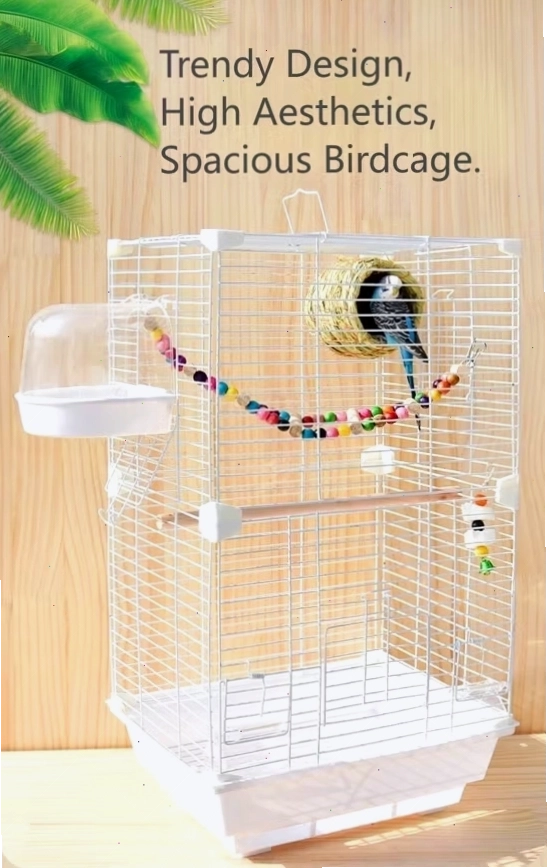
Modern technology has introduced the Contemporary Eco-Friendly Acrylic Bird cage, which offers a sleek and lightweight alternative to heavy iron bars. These enclosures are particularly useful for smaller parrots and help contain dander and food debris. Unlike traditional cages, acrylic designs allow for a 360-degree view, which can be beneficial for birds that enjoy watching their human family or for owners who enjoy bird watching tips from the comfort of their living room.
However, bar spacing remains the most critical metric. The spacing must be wide enough that toes do not get stuck but narrow enough that the parrot cannot fit its head through. Consult a bird owner’s manual to find specific spacing charts for your species, whether you are housing a budgie or a large macaw. Proper spacing prevents traumatic injuries and escape attempts.
Comparison of Common Parrot Cage Materials
Choosing the right material involves balancing cost, durability, and safety. Below is a comparison of the most common options available in 2026:
| Material Type | Durability Level | Safety Rating | Sustainability |
|---|---|---|---|
| Stainless Steel | Extremely High | Highest | Recyclable and long-lasting |
| Ceramic Coating | High | Very Good | Low-emission manufacturing |
| Acrylic | Moderate | Good | BPA-free options available |
| Natural Wood | Low (Chewable) | Excellent | Renewable resource |
Enrichment and Play Areas Beyond the Cage
Housing for parrots is not limited to the cage alone. A bird-proofed play area is essential for foraging and interaction. This area should be free from electrical cords, which can be hidden inside PVC pipes for safety. Avoid access to ceiling fans, open toilets, or windows that could lead to accidents. Including a variety of perch types—such as cotton rope, flat ledges, and natural wood—is vital for foot health.
Owners should also consider cat care and cat health if they share a home with felines. Domestic cats can carry bacteria that are lethal to birds, even through a small scratch. Furthermore, keeping cats healthy by monitoring for ear mites and tick-borne diseases ensures a cleaner environment for the entire household. A bird-safe room should be a strictly controlled zone where the parrot can play without the threat of predatory pets.
Final Recommendations for Healthy Avian Living
To provide the best life for your pet, combine high-quality housing with constant enrichment. Use egret identification techniques to learn more about wild bird behaviors and apply those egret habitats lessons to your indoor setup by adding bird-safe plants and forage-based toys. Always inspect your eco-friendly bird cages for pet parrots regularly for signs of wear or rust. By investing in sustainable materials and a large, safe play area, you ensure your feathered companion thrives for decades to come.


Bình luận